By Nyah Marquez-Dean
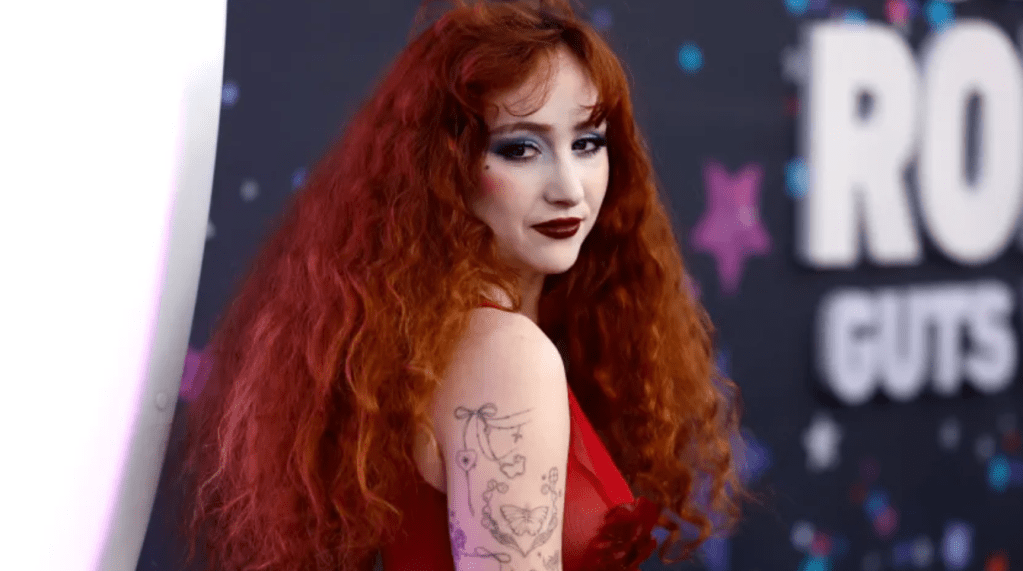
Only months after her rapid rise to fame, singer-songwriter, drag performer, and queer icon Chappell Roan has been facing an onslaught of social media criticism, mostly in response to her requests for respect and privacy from her “fans.”

Most recently, Roan has been facing extreme backlash after dropping out of her set for the All Things Go music festival in late September. Festival-goers who had already purchased their tickets and made travel arrangements to see Roan accused her of thoughtlessness, and a lack of regard for her fans. However, in the face of near-constant verbal, online, and even physical harassment, it goes beyond inconvenience and becomes a violation of humanity.
The harassment Roan has faced is not new. We’ve seen this story play out many times. Britney Spears, Amy Winehouse, and many other figures have been pushed to the edge by the treatment of their self-proclaimed fans. Can these artists “not handle fame,” or is the way that we have been taught to treat celebrities inhumane? Why are we so comfortable treating celebrities like their careers invite us into their personal lives?
In a time increasingly defined by isolation and loneliness, we seek intimacy and friendships in celebrities, and often, we take it too far. “Stan Culture” is a notable population of the internet, most prominent on X, formerly known as Twitter, and with a large population of queer-identifying teenagers and young adults. “Stans,” a term derived from the 2000 Eminem song of the same name, can be defined as die-hard fans of popular musicians and actors, who will blindly defend their favorite fully-grown adults at any cost. What starts as love and adoration can quickly turn into a suffocating and obsessive presence. Doxxing, harassment, threats, and blatantly bigoted tweets, anything to maintain their one-sided, obsessive relationships with pop superstars and the biggest names in Hollywood. This community is built on being artificial, and Roan has become one of the most recent victims of it.
In an Instagram post shared in late August, Roan addressed the continual harassment that she had been facing from “fans,” writing, “I chose this career path because I love music and art and honoring my inner child, I do not accept harassment of any kind because I chose this path, nor do I deserve it. […] Please stop touching me. Please stop being weird to my family and friends. Please stop assuming things about me. […] I feel more love than I ever have in my life. I feel the most unsafe I have ever felt in my life.”

Roan’s situation is made even more difficult by her identity as a queer artist in a world still struggling with acceptance and representation. For many queer people, artists like Roan are crucial figures of representation, but the constant pressure to fit an ideal set by their fans can overshadow the essence of who these artists are. Amidst historical increases in anti-LGBTQ+ legislation, young queer people across the world are more desperate for role models than ever, and if we continue treating the ones we have like their privacy and humanity are irrelevant, we risk losing a vital part of our community.


 The Golden Trident
Leave a comment