By Livia Mohney
Photo Courtesy of PICRYL & FilmsFantasiques
“I don’t know why people expect art to make sense when they accept the fact that life doesn’t.” – David Lynch.
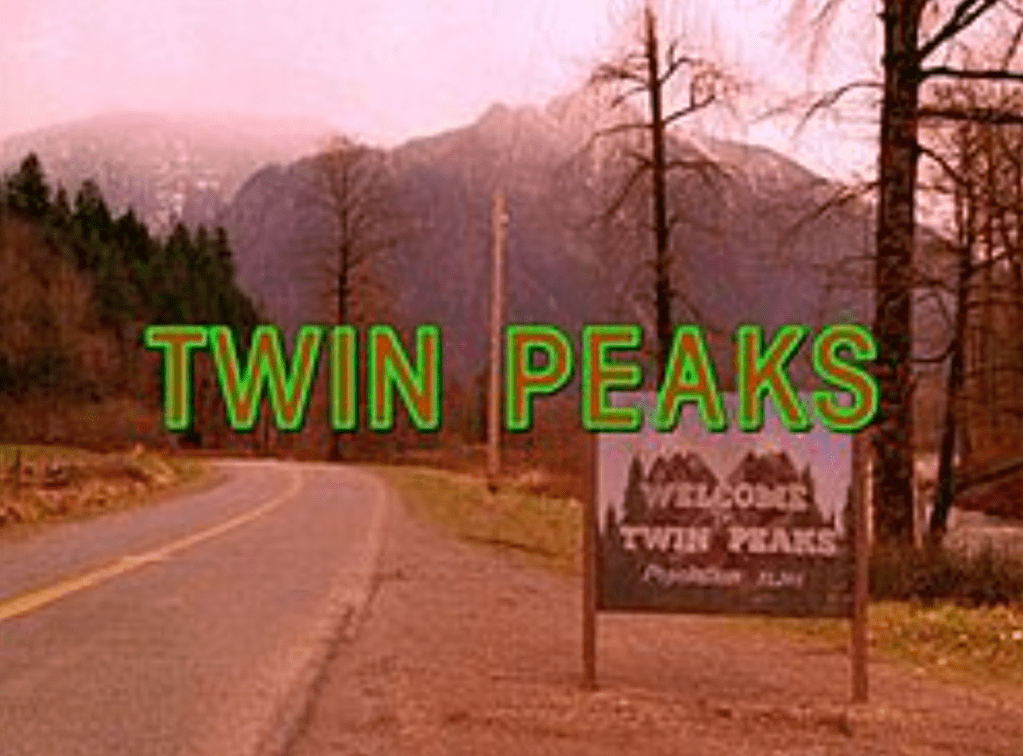
Throughout David Lynch’s career, and even after it, his film implications have remained a mystery to everyone who asks what his films logically imply. Fans who have accepted this say that his art was supposed to be experienced emotionally rather than explained logically. An example of this is his eminent TV show Twin Peaks, the series is a story about the death of Laura Palmer.
Instead of having a likely ending of finding out the details of her death, Lynch focused on building the story and characters, along with giving it elite cinematography. Lynch said, “It makes me uncomfortable to talk about meanings and things. It’s better not to know so much about what things mean. Because the meaning is a very personal thing, and the meaning for me is different than the meaning for somebody else.” He believes that cinematography, as an art form, serves to express what can’t be explained in words.

In the first episode of Twin Peaks, “Pilot”, there is a climactic scene where the classmates of Palmer become aware of her death. Her friend, James Hurley, sets off a climactic scene when he breaks a pencil, and her best friend Donna Hayward screams gutturally. Lynch shows the tragedy of her death without relying on dialogue to show that emotion.
Lynch explores this more in his book “Catching the Big Fish,” describing why he relies on the emotions and actions of the characters by describing the feelings he is conveying, which are unexplainable with words. He hates it when people try to make him explain his work with words. He likes that his films and stories let everyone decide a different meaning, no matter if it is ‘right or ‘wrong’.
Regardless, Lynch doesn’t hide where he gets his ideas from. In his first film, Eraserhead, he got the idea of the movie from his childhood in Philadelphia. He lived in a high-crime-rate part of Philadelphia, which helped form the hellish background of the movie. It was also formed from his fear of becoming a father to his daughter, Jennifer Lynch. People from Philadelphia have described the film as a perfect replica of the state of Philadelphia, saying that you will only get the references and or background if you have actually lived there.
His footprint in the film world has left a big impact on many films created today, like “Donnie Darko” by Richard Kelly and “Perfect Blue” by Satoshi Kon. His films have been properly described as ‘Lynchian’ to describe the ominous and dark feeling and tone in a movie. The word has not only been able to describe his movies, but also many more by many abstract directors that have all been shoved under the same umbrella to have their films described as ‘Lynchian.’
Ultimately, Lynch has left a big imprint on the film world and how people can see art and the world around us without asking why from the person who has made it the way it is. He sadly left us on January 15, 2025. He remains a big influence in the world.
“If you want to catch little fish, you can stay in the shallow water. But if you want to catch the big fish, you’ve got to go deeper.”- David Lynch- January 20, 1946- January 15, 2025




 The Golden Trident
Leave a comment